

Commentary
Rym Momtaz
{
  "authors": [
    "Rym Momtaz"
  ],
  "type": "commentary",
  "blog": "Strategic Europe",
  "centerAffiliationAll": "",
  "centers": [
    "Carnegie Endowment for International Peace",
    "Carnegie Europe"
  ],
  "englishNewsletterAll": "",
  "nonEnglishNewsletterAll": "",
  "primaryCenter": "Carnegie Europe",
  "programAffiliation": "",
  "regions": [
    "Europe",
    "Western Europe",
    "United States"
  ],
  "topics": [
    "EU",
    "Democracy",
    "Civil Society"
  ]
}
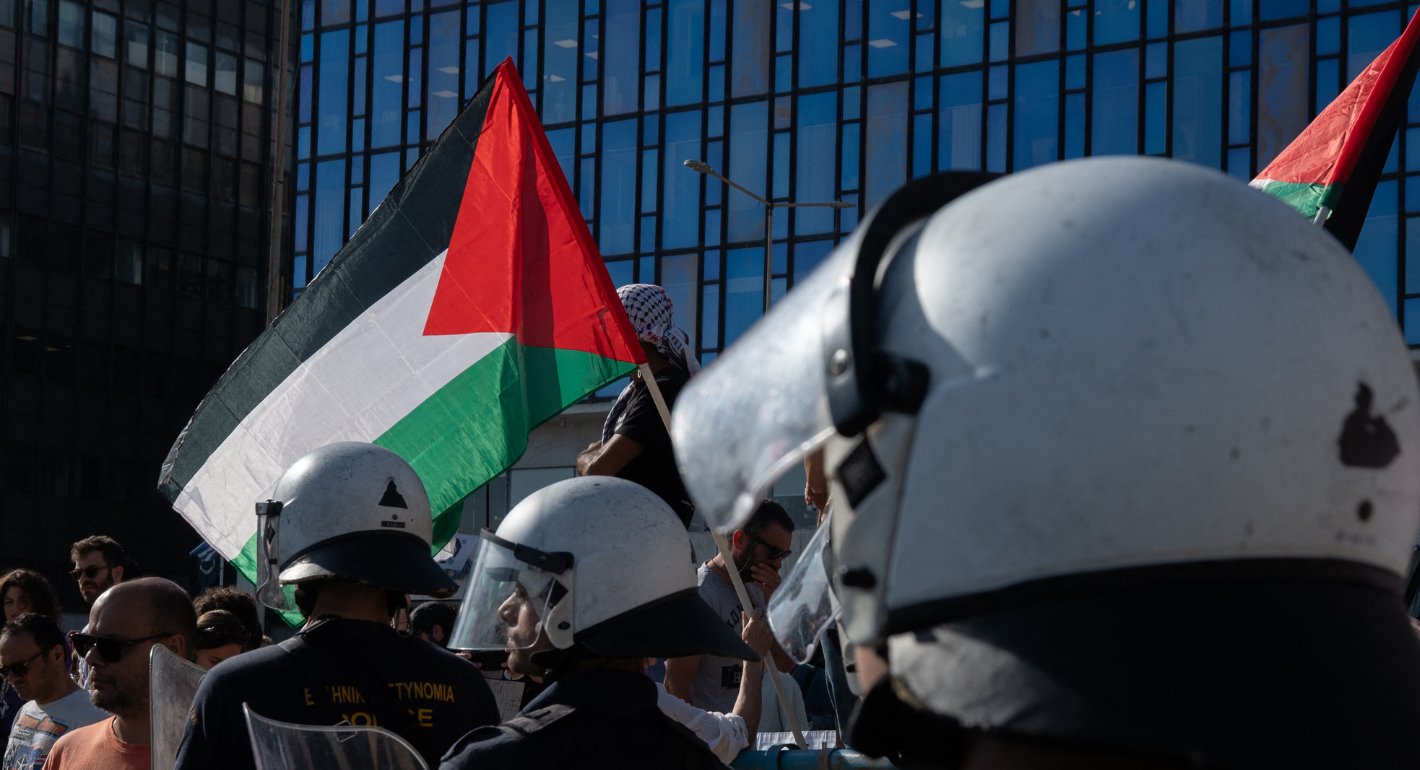
Source: Getty
The battle over free speech has taken center stage since U.S. Vice President JD Vance accused Europe of censorship. From travel bans to social media regulation, especially around the Israel-Palestine conflict, are liberal democratic governments weaponizing free speech?
Fellow for Free Expression and Technology, Cato Institute
Research shows a broad retreat from free speech across democracies, legally and culturally.
In the United States, the administration of President Donald Trump has rightly condemned censorship by its predecessor, Joe Biden’s administration, and foreign governments. But then, it threatened the media through the Federal Communications Commission, pressured tech companies to remove apps and posts that frustrated immigration enforcement, arrested immigrants over pro-Palestinian speech, targeted universities, and more. Even as the First Amendment protects Americans from blatant censorship, they increasingly accept punishing speech they dislike, including even violence, left-wing cancel culture, or right-wing calls for cancellation after the murder of conservative commentator Charlie Kirk.
Abroad, the picture is worse. Hate speech laws have punished Finnish parliamentarians for past comments about homosexuality, threatened author J.K. Rowling and comedy writer Graham Linehan over posts about gender, and sent German police on pre-dawn raids over offensive memes. Blasphemy, sacrilege, and public-order laws silence nonviolent criticism of religion. The EU’s Digital Services Act pressures platforms to moderate lawful speech deemed disinformation or harmful. Australia has banned children under sixteen from social media, and other democracies are following suit with similar restrictions that threaten everyone’s privacy and expression.
Free expression is essential to self-government, individual rights, truth-seeking, pluralism, countering hate, and preventing violence. Democracies need stronger protections for speech—online and offline—if their citizens are to thrive.
Senior Research Fellow, The Future of Free Speech, Vanderbilt University
In Western democracies, the fundamental right to freedom of expression is becoming a site of political struggle and there is an increasing weaponization of speech governance. Laws, platform systems, and border controls are being increasingly deployed to shape not only what can be said but also who is able to speak, and at what cost.
In Germany, repeated arrests over peaceful pro-Palestinian protest illustrate how symbolic political acts can trigger legal intervention. In France, a mayor was held legally responsible for failing to remove Islamophobic comments posted by third parties on his Facebook page, a ruling later endorsed by the European Court of Human Rights. Across several European states, including Germany and the UK, entry bans and visa restrictions linked to public statements on the Israel-Palestine conflict show how border controls can be used to filter or deter specific political viewpoints. In the United States, foreign writers have faced travel bans linked to political commentary. Campus protests have been silenced, academics are adjusting syllabuses, and outlets are moderating coverage to limit litigation or regulatory pressure. Platform governance adds another layer: While technology companies often frame themselves as neutral facilitators of speech, algorithmic systems shape visibility, while regulatory pressure incentivizes over-removal.
The result is deafening.
Professor of Law, Bristol University
At the fundamental level, no: An irreducible core of freedom of expression remains compared with China, which has never had it, or Russia, which is strangling what freedom it gained after the fall of the USSR.
But ludicrous claims by the likes of right-wing firebrand Turker Carlson that criticism of Israel is now banned in Britain don’t help keep a sense of perspective. Britain’s speech laws haven’t changed for a while—what has changed is the advent of social media, allowing anyone to post their ill-considered outbursts to the world in seconds without the filters and restraint legacy media provided.
Europe has certainly long persisted with overly broad hate speech bans and dubious crimes like “apology of terrorism.” But the United States, despite its hectoring lectures to Europe, has fallen to all-time low of sixty-fourth in the world for press freedom for a reason. From Trump’s endless libel suits against media critics to trying to throw overseas students out of the country for pro-Palestinian advocacy, Washington has its own backsliding to reckon with.
But the core right to political speech remains largely intact in the West. Keeping speech free has always been a continuous struggle against enemies from left and right—and that is as true now as it has ever been.
Director, Democracy, Conflict, and Governance Program, Carnegie Endowment for International Peace
Once a nonpartisan principle embraced across the U.S. political spectrum, free speech has been pulled into the vortex of toxic political polarization and transformed into one more source of intense partisan conflict. After years of bitterly criticizing U.S. progressives for imposing a so-called cancel culture against conservative voices, Donald Trump and his team now use their positions of power to punish and limit progressive voices in multiple ways—from branding journalists who ask hard questions about the Iran war as “treasonous” to defunding civic organizations that speak out in support of anything the Trump administration labels as “woke.”
Consistent with its tendency to turn significant parts of U.S. foreign policy into the global projection of domestic politics, the Trump administration is using the issue of free speech to insert itself in the affairs of multiple European countries. Thus, what the administration presents to European counterparts as concerns over a high-minded principle are best understood—and responded to—as the international extension of the U.S. partisan divide, and more generally as the administration’s startlingly expansive ideological ambitions.
Deputy Director, Europe and Central Asia Division, Human Rights Watch
Freedom of expression is indeed under threat in Europe. The right to challenge and seek to change the actions of authorities through protest and organization is under pressure. Of particular concern are restrictions on climate activism and pro-Palestinian protest, as well as efforts to silence activists through the courts.
One of the worst offenders is the UK, where a series of measures have led to the arrest, prosecution, and jailing of protestors for peaceful activism—including under terrorism laws. Germany and France have disproportionately restricted pro-Palestine protests, and climate activists in both countries have faced criminal sanction. In Greece, the authorities have repeatedly prosecuted and restricted activists assisting migrants, with similar cases in Italy.
What these cases have in common is governments that seem indifferent to the impact of their restrictions on freedom of expression, assembly, and association. They also appear indifferent to the wider harms these restrictions cause, not only to democracy at home, but also to universal human rights norms at a time when civic space is under threat around the world. Human rights groups, UN experts, and the Council of Europe are among those sounding the alarm. European states should act to reverse this damaging trend.
PLMJ Chair in Law and Technology, Católica Global School of Law and Católica Lisbon School of Law
Free speech is usually seen as one of the defining virtues of constitutional democracies, yet the real question is whether these systems are still capable of getting the most from it. Where generative artificial intelligence (AI) produces content at an industrial scale and political speech spreads through private spaces driven by engagement and profit, familiar assumptions about freedom of expression no longer hold.
What makes this moment different is that the dynamics shaping speech are no longer the result of deliberate orchestration. AI systems decide what is tolerated according to logic that is not always transparent, even to those who deploy them. No single actor—public or private—can credibly claim to know how a specific system has resolved a conflict between speech and other constitutional rights.
For constitutional democracies, the focus is no longer only on who speaks, but whether the rules governing speech are still made by people at all. This may be dismissed as the price of democracy in the age of AI, or recognized as a challenge demanding public intervention. Democracies have so far struggled to decide which. Accountability is increasingly diffuse, while AI is becoming the single most potent arbiter of speech.
Subscribe to Strategic Europe, delivered to you weekdays!

Editor in Chief, Strategic Europe
Rym Momtaz is the editor in chief of Carnegie Europe’s blog Strategic Europe. A multiple Emmy award-winning journalist-turned-analyst, she specializes in Europe and the Middle East and the interplay between those two spaces.
Recent Work
Rym Momtaz
Rym Momtaz, ed.
Carnegie does not take institutional positions on public policy issues; the views represented herein are those of the author(s) and do not necessarily reflect the views of Carnegie, its staff, or its trustees.
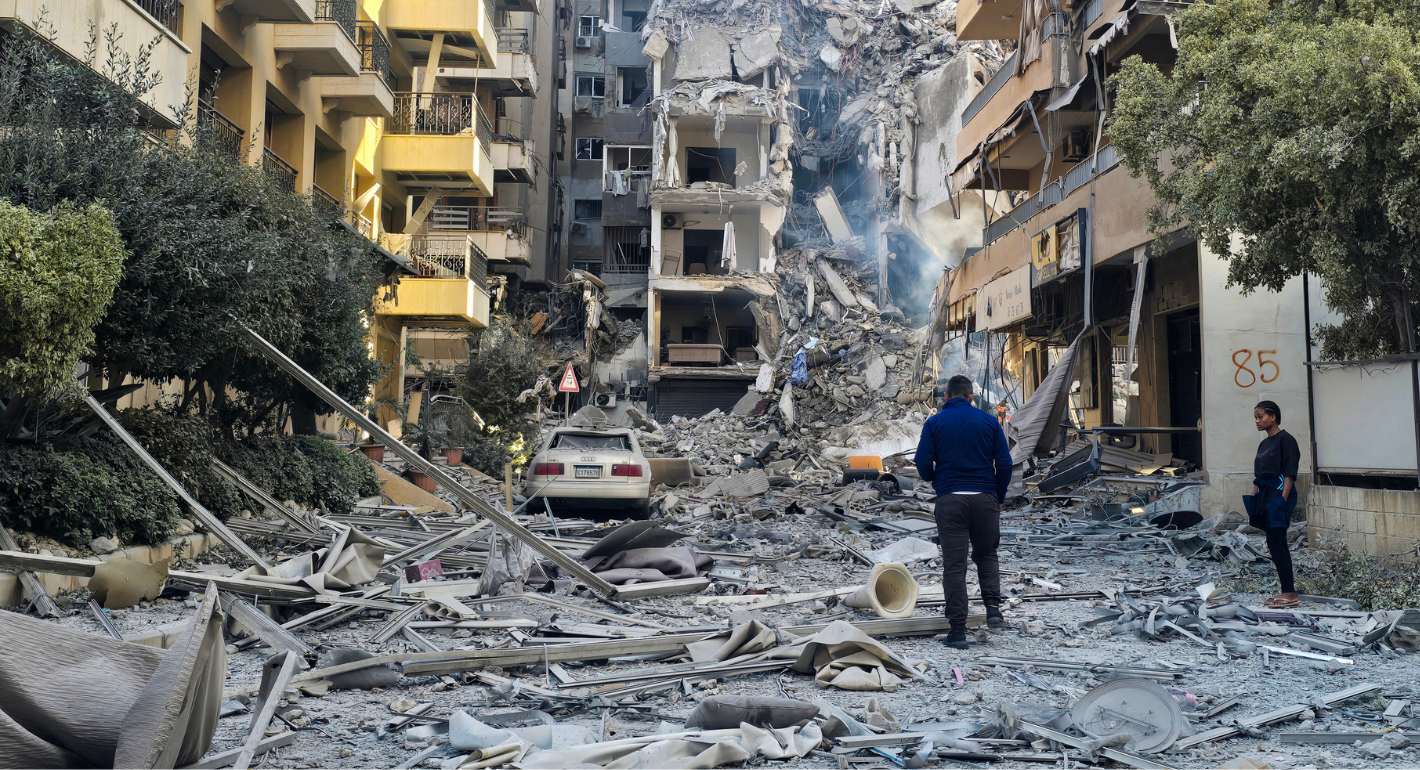
Europe seems to have accepted its sidelining in the Middle East. The EU must reassert its support for the international rules-based order and step up engagement.
Rym Momtaz
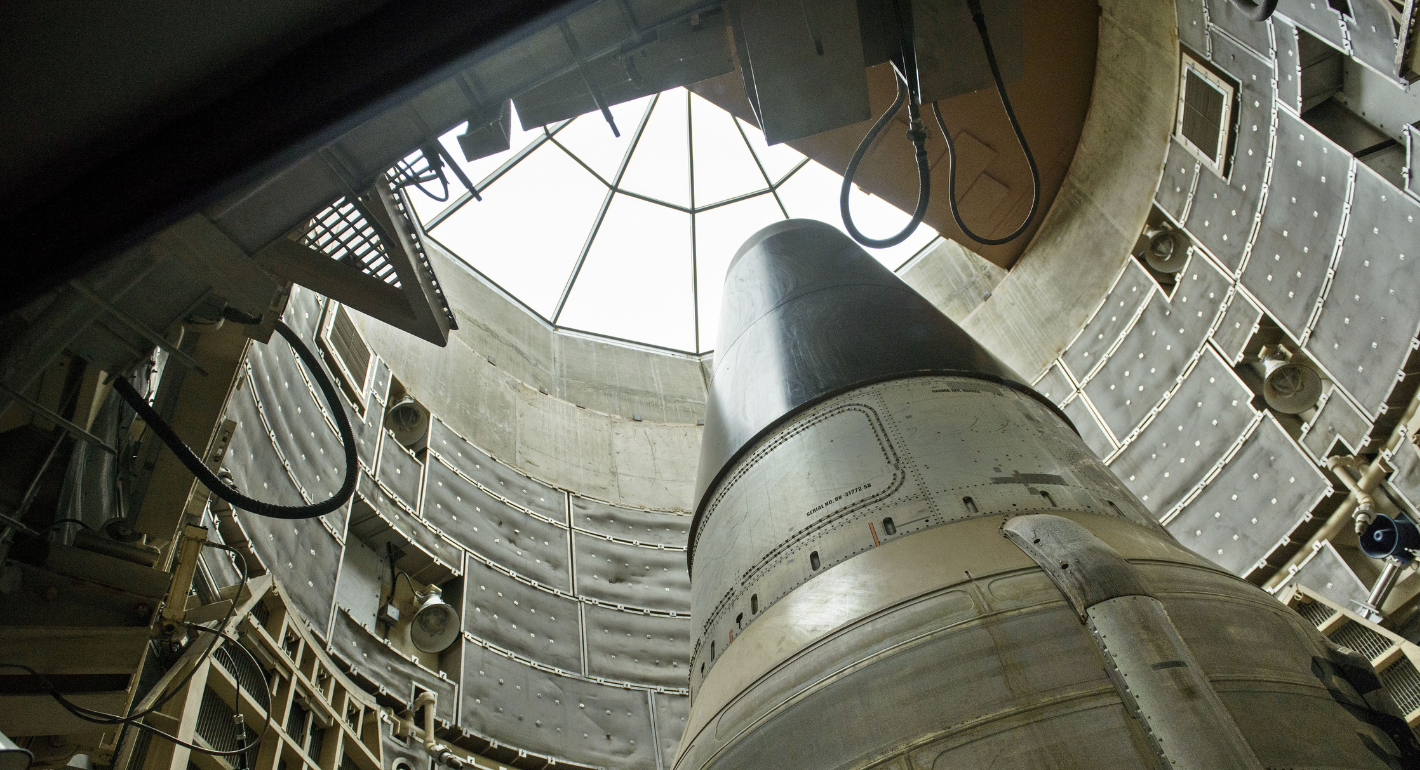
Amid uncertainty caused by the Iran war, the global drive for nonproliferation has stalled. With Europe diplomatically marginalized and countries reassessing their nuclear options, efforts to curb the spread of nuclear weapons risk becoming irrelevant.

Jane Darby Menton
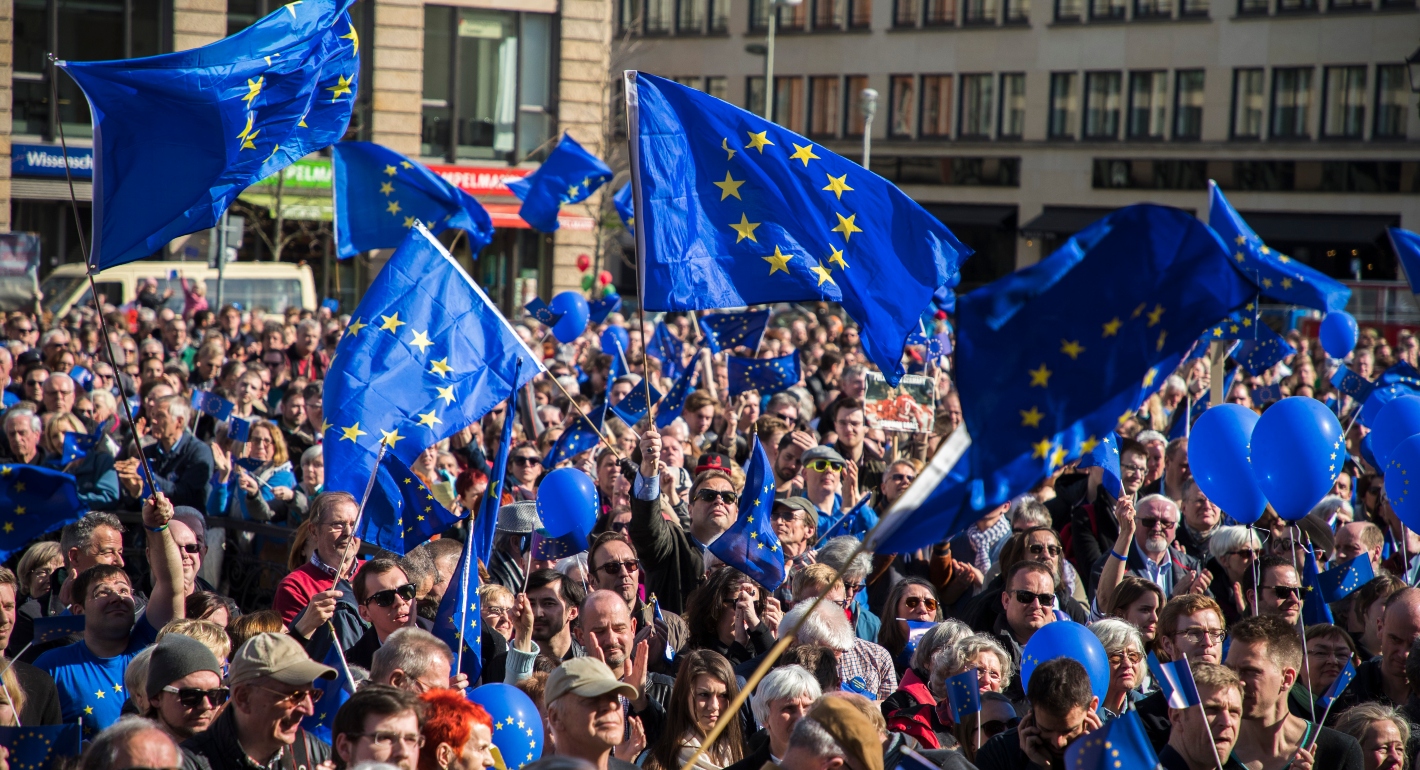
Preparing candidate countries for EU membership is no longer enough. As the enlargement process becomes a reality, the union must also prepare its own societies.

Iliriana Gjoni
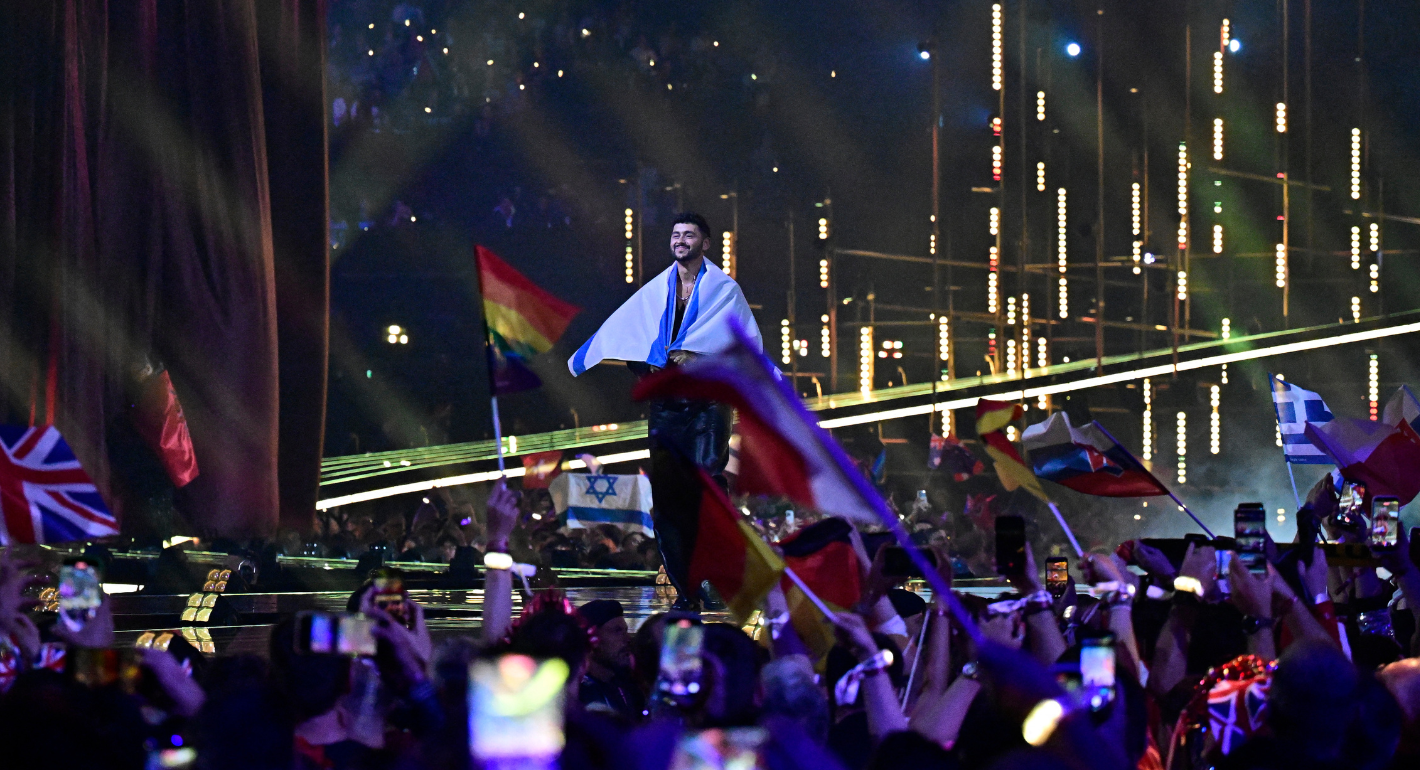
Five countries staged the biggest political boycott in Eurovision history over Israel’s participation. With the FIFA World Cup and other sporting or cultural touchstones on the horizon, are boycotts effective?
Rym Momtaz, ed.
The full list of humiliations Europe has endured since Donald Trump returned to the White House makes for grim reading. But Washington’s adversarial approach to its allies undermines its own power base.
Rym Momtaz